Ev / Haberler / Sektör haberleri / Seramik Fren Pabuçları: Daha Sessiz Duruşlar, Daha Az Toz ve Daha Uzun Ömür
 2026.06.24
 Sektör haberleri
Kampanalı frenler dünya çapındaki binek araçların çoğunda hala arka tekerleği durdurma görevini üstleniyor; ancak çoğu sürücü gıcırtı başlayana kadar kampananın içinde ne olduğu hakkında asla iki kez düşünmüyor. Bu noktada, sürtünme malzemesi genellikle güvenilir performans noktasını aşmış durumdadır. Doğru yedek parçayı seçmek çoğu insanın düşündüğünden daha önemlidir ve şu anda seramik fren pabuçları konfor, temizlik ve uzun vadeli değer için en net yükseltme yolunu temsil eder.
Geleneksel yarı metalik fren pabuçları demir tozu ve çelik liflerden yapılmıştır. Isıyı iyi idare ederler ancak bunun bedelini gürültü, koyu renkli fren tozu ve hızlı kampana aşınması ile öderler. Seramik pabuçlar, bu çelik fiberleri, organik bileşiklerle ve bazen de az miktarda demir içermeyen metalle bağlanmış, öncelikle alümina (Al₂O₃) veya silisyum karbür (SiC) olmak üzere seramik fiberlerden oluşan bir matrisle değiştirir.
Sonuç, yük altında farklı davranan bir sürtünme malzemesidir. Sıcaklıklar yükseldiğinde metal-seramik sinterleme reaksiyonu temas yüzeyini stabilize eder. Yarı metalik balatalar bunu yapamaz: çelik lifleri yumuşar ve sürekli frenleme altında ince bir hava yastığı oluşturabilir, bu da tam olarak frenin zayıflamasına neden olur. Seramik bileşimler, geniş bir sıcaklık aralığında tutarlı bir sürtünme katsayısı sağlar; bu, arka kampanalı frenlere en fazla yük getiren dur-kalk sürüş türü için kritik öneme sahiptir.
1. Neredeyse sessiz çalışma. Seramik malzemeler, insanın duyma aralığının (yaklaşık olarak 20 kHz'in) üzerindeki frekanslarda titreşimler üretir. Bu nedenle iyi yataklanmış bir seramik ayakkabı seti, çelik fiber alternatiflerinin yaptığı gibi ses çıkarmaz. Günlük işe gidip gelenler için bu tek başına geçiş yapmak için yeterli nedendir.
2. Düşük tozlu, daha temiz tekerlekler. Tüm fren sürtünme malzemeleri aşınma parçacıkları üretir. Seramik ayakkabılardan çıkan toz ince, açık renklidir ve yapışkan değildir; koyu metalik toz gibi jant yüzeylerine yapışmaz. Tamburlar ve bitişik bileşenler servisler arasında daha temiz kalır.
3. Yüksek ısı toleransı. Seramik pabuçlar, önemli bir performans kaybı olmadan tekrarlanan ağır frenlemelerin üstesinden gelebilir. Sürtünme katsayısı, malzeme ısındığında düşmek yerine sabit kalır ve sürücülere yük altında daha öngörülebilir pedal tepkisi sağlar. Bu aynı zamanda tamburun çizilme riskini de azaltır çünkü tutarlı bir temas yüzeyi dengesiz bir temas yüzeyine göre daha az aşındırıcı aşınmaya neden olur.
4. Uzatılmış servis ömrü. Seramik bileşikleri daha eşit bir şekilde aşındığından ve tambur üzerinde daha az termal stres oluşturduğundan, hem pabuçlar hem de tamburun kendisi yarı metalik alternatiflere göre daha uzun süre dayanır. Set başına başlangıç maliyeti biraz daha yüksektir, ancak güvenilir frenlemenin kilometre başına maliyeti daha düşüktür.
Sürüş senaryolarında seramik ve yarı metalik seçeneklerin nasıl karşılaştırıldığına yan yana bakmak için, bölümümüze bakın. detaylı seramik ve yarı metalik fren pabucu karşılaştırması .
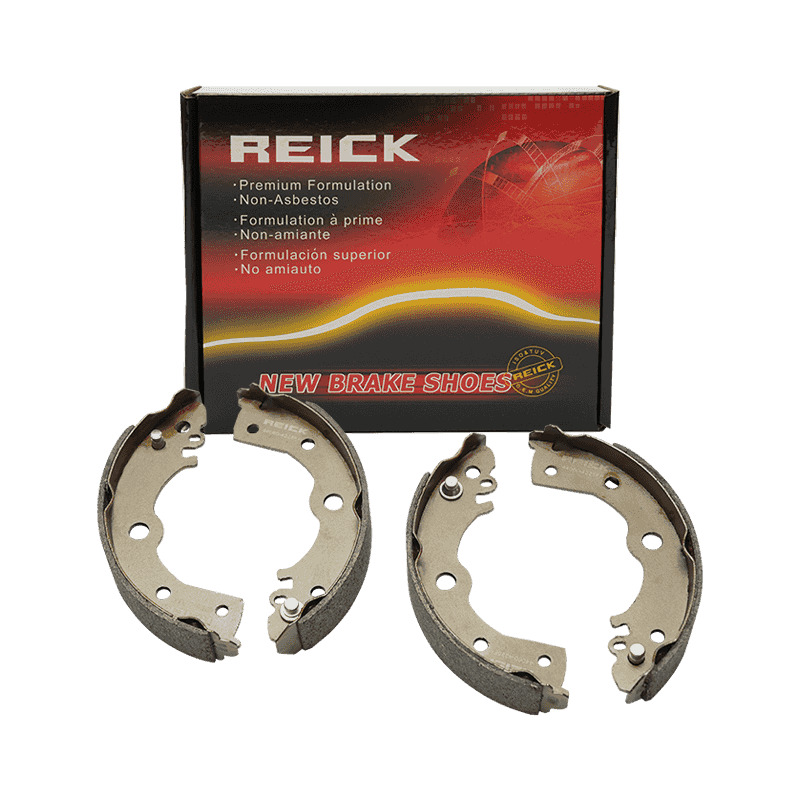
Parçaları bir araçla eşleştirirken teknik özellikler soyut değildir. Al 44060-F4225 — MAZDA Familia, NISSAN Almera ve NISSAN Sunny platformları için tasarlanmış seramik fren pabucu. Boyutları, hassas tambur teması için tasarlanmış bir parçanın hikayesini anlatıyor:
| Parametre | Değer |
|---|---|
| Yarıçap | 90mm |
| Genişlik | 30mm |
| Kalınlık | 4 / 5,6 mm |
| Set Başına Adet | 4 |
Çapraz referans numaraları arasında NN-2056, BS1697, K1185, 1N00-26-38Z, 44060-50Y25 ve 44060-F4125 yer alıyor; bu, bu parçanın NISSAN ve MAZDA platform ailelerindeki geniş bir donanım yelpazesini kapsadığı anlamına geliyor. Asbest içermez, kurulumu için araçta değişiklik yapılmasına gerek yoktur ve 1 yıllık garanti kapsamındadır. Üretim, IATF 16949 kalite yönetimi standartlarını takip ediyor ve her parti, montaj öncesinde gelen malzeme testinden geçiyor.
Tamamına göz atın Hem seramik hem de yarı metalik seçenekleri içeren fren pabucu ürün yelpazesi Aracınız için doğru teçhizatı bulmak için.
Seramik pabuçlar binek araç ve hafif araç kampanalı fren uygulamalarının çoğu için doğru çağrıdır: şehir içi sürüş, otoyolda işe gidip gelme, karma kullanımlı araçlar ve gürültü azaltmanın ve tekerlek temizliğinin sürücü veya mağazanın itibarı açısından önemli olduğu her türlü durum. Standart dökme demir varillerle iyi uyum sağlarlar ve normal yataklama döngüsünün ötesinde herhangi bir özel alıştırma prosedürü gerektirmezler.
Ağır çekme, tam yükle uzun süreli yokuş aşağı eğimler veya fren bileşenlerinin ilk durmadan önce donma noktasının oldukça altında kaldığı şiddetli soğukta çalıştırılan araçları düşünün. Bu senaryolarda, yarı metalik bir bileşiğin daha yüksek ilk tutuşu ve agresif ısı emilimi tercih edilebilir. Uygulamanıza hangi türün uyduğundan emin değilseniz, seramik fren pabucu ürün sayfaları eşleştirmeyi kolaylaştıran araç donanım verilerini ve çapraz referans numaralarını içerir.
Kampanalı frenler disk frenlerle aynı görsel aşınma işaretlerini vermez. Bunun yerine şunlara dikkat edin: araç yavaşlamadan önce normalden daha fazla hareket eden yumuşak veya süngerimsi bir pedal, zeminde veya fren pedalında hissedilen sürtünme hissi, frenleme sırasında bir tarafa çekme veya tekerlek kapalıyken kampana yüzeyinde gözle görülür çizikler. Bunlardan herhangi biri inceleme yapmak için bir nedendir. Sürtünme malzemesi kalınlığı 1,5 mm'nin altına düşerse değiştirme zamanı geçmiş demektir.
Yeni ayakkabıların muayeneyle eşleştirilmesi Disk donanımlı akslarda fren diski ve rotor bileşenleri aynı servis aralığını kullanmak iyi bir uygulamadır; fren aşınması nadiren tek başına meydana gelir ve sistemin her iki ucunun aynı anda ele alınması, ikinci bir işçi ziyaretinden tasarruf sağlar.
Kampanalı frenler olgun bir teknolojidir ancak içlerindeki sürtünme malzemesi gelişmeye devam etmektedir. Yarı metalikten seramiğe geçiş, fren sisteminizin çalışma şeklini değiştirmez; ne kadar iyi, ne kadar sessiz ve ne kadar süreyle çalıştığını değiştirir. Arka kampana pabuçlarını değiştiren binek araç sürücülerinin çoğunluğu için, seramik fren pabuçları Tipik sürüş yüklerinde anlamlı bir taviz vermeden basit bir iyileştirme sunar. Daha düşük gürültü, daha az toz, sıcaklık döngüleri boyunca istikrarlı sürtünme, daha uzun servis aralıkları gibi rakamlar bir araya gelerek parçanın biraz daha yüksek fiyatını hak ettiğini gösteriyor.
Önerilen Ürünler


+86-139 6193 3287
+86-515-88410559

+86-515-88580498


B1002 Huabang Dong No.1# South Renmin Yolu, Tinghu Bölgesi, Yancheng Şehri, Jiangsu, Çin
Telif Hakkı © 2024 Yancheng Reick Automotive Parts Co., Ltd. Tüm Hakları Saklıdır.